Cheap high protein meals: how to hit your protein on a budget
Cheap high protein meals come down to a short list of staples that cost the least per gram of protein. Here is how to price protein yourself, which foods usually win, and what a budget high-protein day looks like.
- Compare foods by cost per gram of protein, not by package price. Divide the price by the total grams of protein in the package.
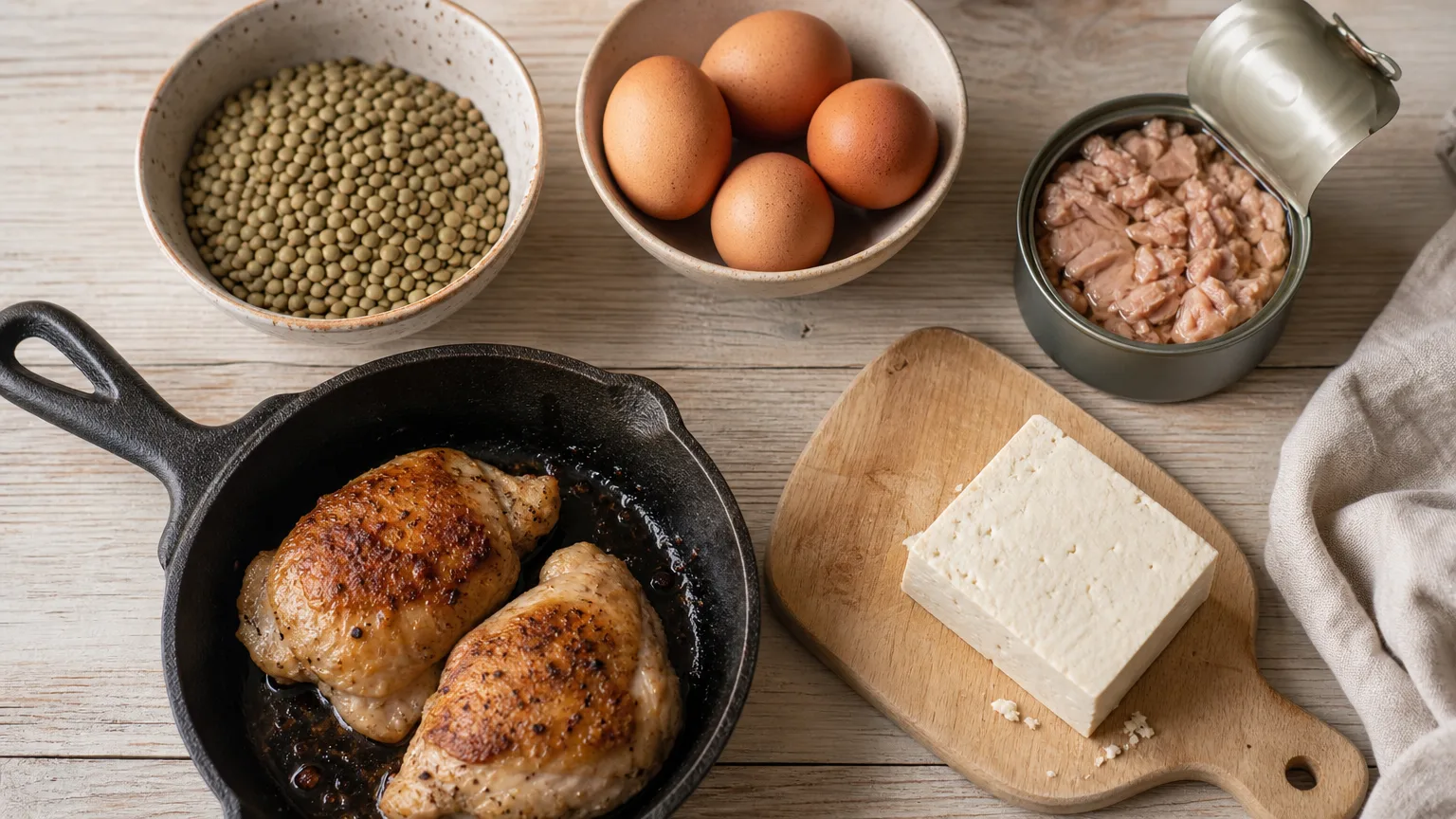
- Dried lentils and beans, eggs, canned fish, bone-in chicken, tofu and plain dairy are usually the cheapest protein in the store.
- Anchor each meal to one cheap protein, and fill the rest of the plate with low-cost grains, potatoes and frozen vegetables.
Anchor every meal to a cheap protein
Cheap high-protein eating is not a recipe problem. It is a shopping problem, and it comes down to three decisions.
Price protein by the gram
Multiply the protein per serving on the label by the servings per container, then divide the price by that total. Do it once for the ten proteins you buy most. The ranking rarely changes.
Give each meal one anchor
Pick one cheap protein per meal and build around it. Three eggs are about 18 grams, a can of tuna about 20 to 25, a cup of cooked lentils about 18 and a cup of cottage cheese about 24. Then add the cheap part of the plate: rice, oats, potatoes, frozen vegetables and canned tomatoes.
Cook the protein once, eat it three times
Batching is where the saving turns into meals you actually eat. A tray of chicken thighs, a pot of lentil chili or a dozen hard-boiled eggs becomes lunches that cost less than a takeout sandwich and carry more protein.
What are the cheapest high protein meals?
Cheap high protein meals are built on the staples that cost the least per gram of protein: dried lentils and beans, eggs, canned tuna or sardines, bone-in chicken thighs, tofu, cottage cheese and plain Greek yogurt. Pair one with rice, oats, potatoes or frozen vegetables, and most meals land at 20 to 40 grams of protein for little money.
Protein costs money; calories are cheap. So the budget question is nearly always about where the protein comes from.
How to work out the cost per gram of protein
Divide the package price by the total grams of protein in the package. You get total protein by multiplying the protein per serving by the servings per container, both printed on the Nutrition Facts label. Multiply the cost per gram by 30 to see what one meal's worth of protein costs.
Here is a worked example with illustrative prices. Yours will differ by store and season, so plug in your own.
- Dried lentils at $1.50 a pound: about 110 g protein, roughly 1.4 cents a gram, or about 40 cents for 30 g.
- Eggs at $2.50 a dozen: about 72 g protein, roughly 3.5 cents a gram, or about $1.05 for 30 g.
- Bone-in chicken thighs at $2.29 a pound: about 60 g of edible protein, roughly 3.8 cents a gram, or about $1.15 for 30 g.
- Canned tuna at $1.25 a can: about 22 g protein, roughly 5.7 cents a gram, or about $1.70 for 30 g.
- Extra-firm tofu at $2.79 for a 14-ounce block: about 45 g protein, roughly 6.2 cents a gram, or about $1.85 for 30 g.
- Steak at $12 a pound: about 95 g protein, roughly 12.6 cents a gram, or about $3.80 for 30 g.
The cheapest protein sources to keep in your kitchen
Exact prices move, but the order rarely does. Treat this as a shopping list rather than a price list.
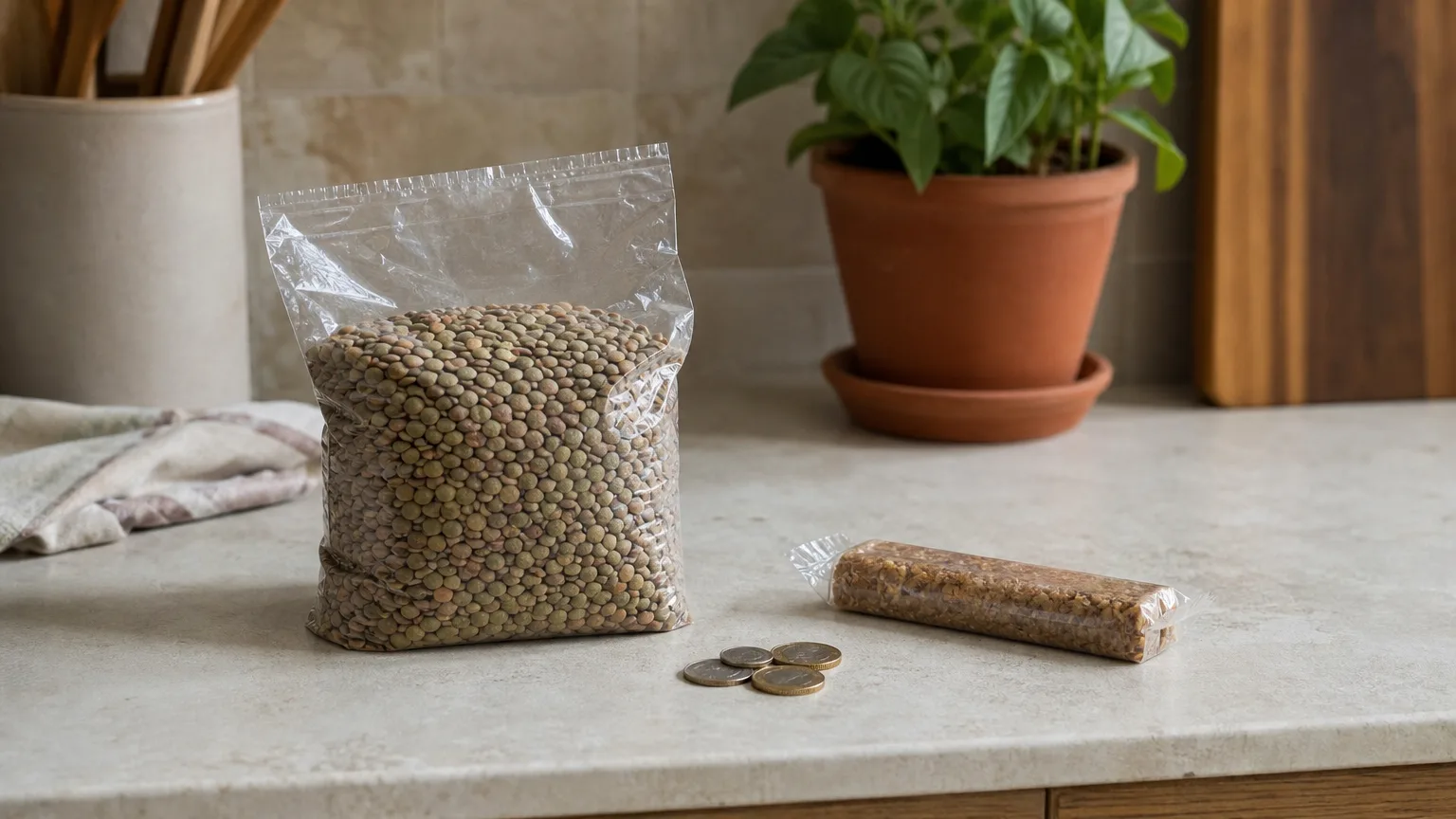
- Dried lentils, split peas and beans: about 15 to 18 g protein per cooked cup, and usually the cheapest protein in the store. Canned beans cost more but still rank well.
- Eggs: about 6 g each, and they cook in five minutes.
- Canned tuna, sardines and mackerel: about 20 to 25 g per can, shelf-stable, no cooking.
- Bone-in chicken thighs, drumsticks and whole chickens: far cheaper per gram than boneless breast.
- Tofu and frozen edamame: steady prices, and tofu takes on whatever sauce you have.
- Cottage cheese and plain Greek yogurt: about 20 to 25 g per cup with no cooking.
- Milk and nonfat dry milk: an easy way to add protein to oats, coffee and sauces.
- Peanut butter: cheap, but its 7 to 8 g of protein comes with nearly 200 calories per 2 tablespoons, so treat it as a fat rather than a protein anchor.
Cheap high protein meal ideas for breakfast, lunch and dinner
Each of these uses one or two of the staples above and lands in the 20 to 40 gram range; protein figures are approximate. For meat-free ideas, the vegetarian recipe collection lists protein per serving, and cheap high-protein breakfasts has eight more morning options.
- Egg and black bean breakfast burrito: 2 eggs, 1/2 cup black beans and a tortilla, about 23 g.
- Overnight oats: 1/2 cup oats, 1 cup milk and 1/2 cup plain Greek yogurt, about 25 g.
- Tuna and white bean salad: a can of tuna, 1/2 cup white beans, chopped onion and a spoon of mayonnaise, about 30 g.
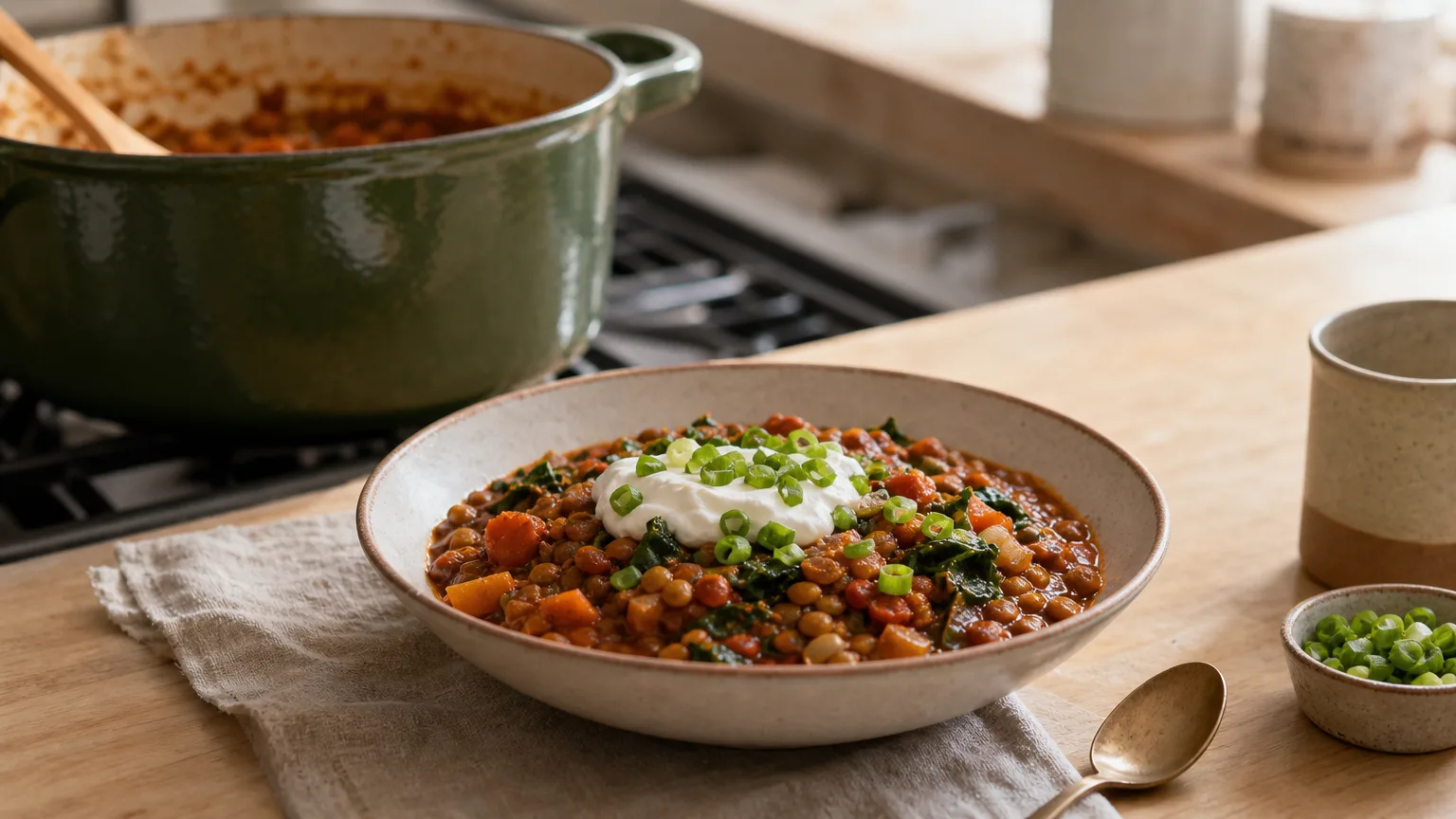
- Lentil chili: a big bowl with about 1 cup of cooked lentils and canned tomatoes, about 20 g, or about 25 g with a spoonful of Greek yogurt on top.
- Sheet-pan chicken thighs with potatoes and frozen green beans: two thighs, about 30 g.
- Tofu and egg fried rice: half a block of extra-firm tofu, 1 egg, day-old rice and frozen peas, about 30 to 35 g.
- Snack: a cup of cottage cheese with fruit, about 24 g.
What a cheap high-protein day looks like
Breakfast: overnight oats with milk and Greek yogurt, about 25 grams of protein. Lunch: lentil chili from a weekend batch, about 20 grams. Snack: a cup of cottage cheese, about 24 grams. Dinner: two chicken thighs with rice and frozen vegetables, about 30 grams. That is roughly 100 grams of protein, and at the example prices above the protein for the whole day costs a few dollars.
Need more? Add two eggs to breakfast and a can of tuna to lunch and you are around 130 grams without buying anything unusual. Your own number depends on your goal weight; how much protein you need to lose weight walks through the calculation.
The foods protein comes with matter too. Beans, lentils, fish, poultry and dairy make a better overall package than leaning on processed meat.
How to shop for protein on a budget
A few habits keep the cost per gram low.
- Read the unit price on the shelf tag, then convert the cheapest few options to cost per gram of protein.
- Buy the larger pack of meat and freeze it in portions the day you shop.
- Choose frozen fish, chicken and vegetables: similar prices, far less waste.
- Try store brands of eggs, canned fish, beans, yogurt and cottage cheese; they are often the same food for less.
- Buy dried beans and lentils in bulk. A pound of dry lentils makes about 5 to 6 cups cooked.
Where people overspend on protein without noticing
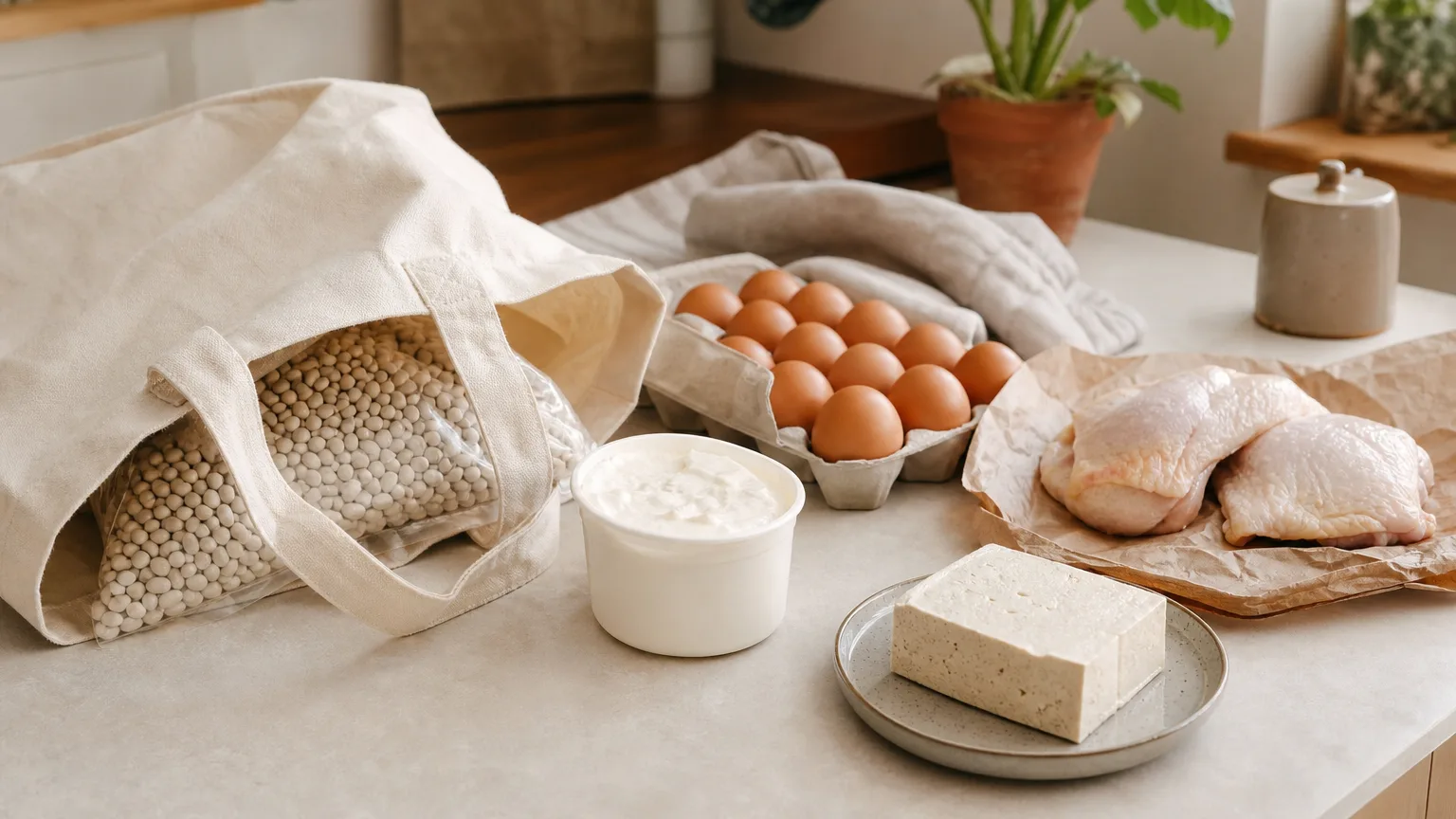
Protein bars, ready-to-drink shakes, single-serve flavored yogurts, precooked chicken strips and most meal kits often cost several times more per gram of protein than the staples above. They are convenient, but they are the first place to look if groceries cost more than you expect.
The other quiet cost is waste. Fresh fish and chicken thrown away at the end of the week is pure loss, and frozen versions avoid it. Planning the week before you shop helps most here; a one-hour weekly meal plan turns a short protein list into seven days of meals.
Plan cheap high protein meals and track them
A budget plan only works if you know you are actually hitting your protein. Log a few normal days and you will see which meals carry their weight and which are calories without much protein.
The BiteTracker recipe book lists calories and protein per serving for every dish, and the cheap high-protein recipe collection gathers the ones built on these staples. Drag a few onto the meal-planning calendar, order the ingredients through Instacart or shop once, then log each meal as you eat it.
Frequently asked questions
What is the cheapest source of protein?
Dried lentils and beans are usually the cheapest protein per gram, often a fraction of the cost of meat. Eggs, bone-in chicken thighs, canned tuna or sardines, tofu and plain dairy usually come next. Prices vary by store, so divide the price by the total grams of protein on the label to compare.
How can I get 100 grams of protein a day cheaply?
Spread it across four anchors: oats made with milk and Greek yogurt at breakfast, a lentil or bean lunch, cottage cheese as a snack, and chicken thighs or eggs at dinner. Each adds roughly 20 to 30 grams, and all of them sit at the cheap end of cost per gram.
Is canned tuna a good cheap protein?
Yes. A can of tuna has about 20 to 25 grams of protein, needs no cooking and keeps for months, and it is usually among the cheaper animal proteins per gram. Canned light tuna is generally lower in mercury than albacore, which matters if you eat it often.
See the protein and the calories before you shop
BiteTracker shows protein and calories per serving for every recipe in its book, so you can plan a high-protein week around the staples you can actually afford.
Sources
- FoodData Central, U.S. Department of Agriculture
- Protein, The Nutrition Source, Harvard T.H. Chan School of Public Health
This article is general information, not medical advice. If you have a health condition, talk to your doctor or a registered dietitian before changing how you eat.